
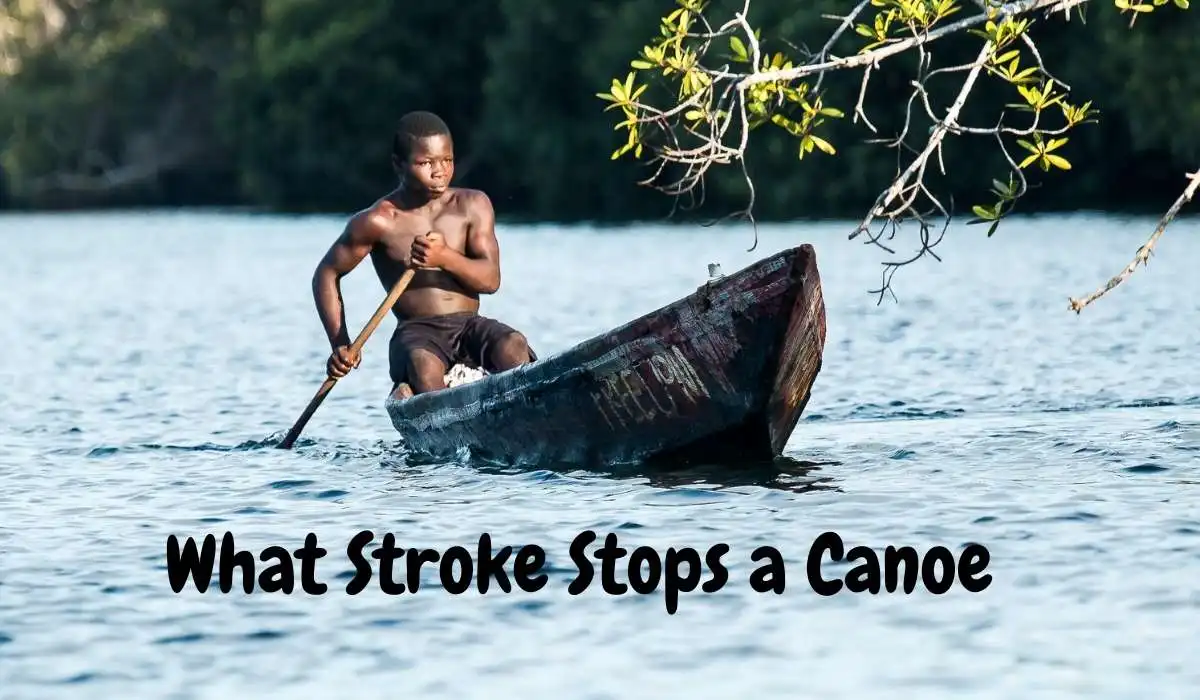
To stop a canoe, perfect the backstroke technique. Dip the paddle close to the canoe, gripping it high for control. Use a J-stroke if needed. Try the compound backstroke method, combining power with a precise J-stroke. Start slightly away from the canoe for better impact. Finish with a reverse-J motion swiftly. Wanna know more ways to enhance your canoe skills? Discover tips for better control, safety measures, and benefits. Exploring these techniques can level up your paddling game.
Key Takeaways
- Backstroke technique is commonly used to stop a canoe efficiently.
- Compound backstroke combines power and precision for quick halts.
- Mastering classic stop maneuver involves a reverse J motion.
- Power stop technique enhances stopping force with brief power strokes.
- Utilize the J stroke for additional control and stability during stops.
Backstroke Technique for Canoe Stopping
To effectively halt a canoe without tipping over, mastering the backstroke technique is essential. When executing the backstroke for stopping, start the motion towards the front of the canoe and wait until most of the momentum has dissipated.
Lean slightly forward and dip the paddle into the water close to the canoe for maximum effectiveness. As you pull the paddle back, make sure that the blade remains close to the canoe and maintain a high grip on the paddle for better control.
If necessary, incorporate a J-stroke to smoothly and efficiently complete the stop. The J-stroke is a subtle maneuver that involves a slight twist of the paddle at the end of the stroke to help steer the canoe and bring it to a complete stop.
Compound Backstroke Method for Halting
Mastering the Compound Backstroke Method for halting your canoe involves combining a powerful backstroke with a precise J-stroke for maximum stopping efficiency. When executing this technique, remember these key points:
- Initiate the stop by placing the paddle slightly out from the canoe.
- Finish the stroke with a reverse J motion to maximize stopping power.
- Use a short power portion of the stroke to efficiently halt the canoe.
Proper Grip and Blade Position Importance
Ensuring a proper grip and blade position is essential for effectively executing stopping strokes in a canoe.
When gripping the paddle, remember that control and power stem from a secure hold. Your grip on the paddle handle should be firm and high to aid in maneuvering and stopping the canoe efficiently.
As you initiate the stop stroke, position the blade close to the canoe to minimize resistance and enhance the stroke’s effectiveness. Keep the paddle slightly out from the canoe at the start to optimize leverage and control during the maneuver.
Mastering the Classic Stop Maneuver
When executing the Classic Stop maneuver in canoeing, focus on performing a backstroke with precision and control. To master this essential technique, keep these key points in mind:
- Start from a Good Position: Begin the backstroke slightly away from the canoe to allow for a full stroke.
- Execute the Reverse J Motion: Finish the stroke with a reverse J motion to effectively stop the canoe’s momentum.
- Mind Your Grip Hand Position: Properly maintaining the grip hand position throughout the maneuver is important for stability and control.
Enhancing Canoe Control and Stability
To enhance your control and stability in canoeing, incorporating various paddle strokes like the stern pry, cross strokes, draws, C-strokes, and sweeps is essential. The stern pry stroke is perfect for quick and powerful turns towards the paddle side. Cross strokes allow for precise maneuvering in different directions, enhancing your control and stability. Draw strokes come in handy when you need to move the canoe sideways or adjust its position laterally for improved stability. Mastering the C-stroke technique in solo paddling will give you efficient turning capabilities and better control over the canoe. Additionally, practicing sweep strokes is beneficial as they enable you to steer the canoe away from the paddle in a wide sweeping motion, contributing to enhanced stability.
| Paddle Stroke | Description |
|---|---|
| Stern Pry | Brings the canoe towards the paddle side for quick and powerful turns |
| Cross Strokes | Enhances control and stability by allowing precise maneuvering in different directions |
| Draw Strokes | Helps move the canoe sideways or adjust its position laterally for better stability |
| C-Strokes | Provides efficient turning capabilities and control over the canoe in solo paddling |
Practicing the Power Stop Technique
Practicing the Power Stop Technique efficiently requires mastering the compound backstrokes for swiftly halting the canoe’s motion. To effectively learn this technique, focus on the following key points:
- Compound Backstrokes: Learn how to execute compound backstrokes by combining the power phase with a reverse J finish to maximize stopping power.
- Control and Stability: Maintain proper grip hand positioning to guarantee control and stability throughout the backstroke movement.
- Efficient Power Phase: Keep the power phase of the backstroke brief to efficiently slow down the canoe while upholding balance and control.
Key Elements for Effective Canoe Stopping
Mastering the key elements for effective canoe stopping is essential for safely piloting the waters with control and precision. When it comes to halting your canoe efficiently, there are several techniques you can utilize, such as the backstroke, compound backstroke, and J-stroke. These strokes each have their own advantages and can be used in different scenarios to achieve the desired stop.
To better understand the key elements for effective canoe stopping, let’s break down these techniques in the table below:
| Technique | Description |
|---|---|
| Backstroke | Also known as the classic stop, this stroke is commonly used to stop a canoe efficiently. |
| Compound Backstroke | Referred to as the power stop, this technique is effective for quickly halting forward movement. |
| J-Stroke | Utilized for precision and finesse, the J-stroke can assist in completing the stop smoothly. |
Safety Measures for Canoe Paddlers
Ensuring your safety while canoeing begins with wearing a personal flotation device (PFD) at all times on the water. Here are some essential safety measures for canoe paddlers:
- Learn Proper Paddle Strokes: Mastering correct paddle strokes not only helps you maneuver efficiently but also prevents accidents like capsizing. Practice basic strokes like the forward stroke, sweep stroke, and draw stroke.
- Check Weather Conditions: Before heading out on a canoe trip, always check the weather forecast to avoid unexpected storms or strong winds. Understanding water currents is also important for a safe paddling experience.
- Carry Safety Equipment: Always have essential safety equipment on board, including a whistle for signaling, a first aid kit for emergencies, and a communication device like a waterproof phone case. Being prepared can make a significant difference in case of unforeseen situations.
Advantages of Mastering Canoe Stopping Strokes
To improve your control and safety while canoeing, mastering stopping strokes like the backstroke and compound backstroke is vital. These strokes are essential for smoothly halting your canoe without causing it to tip over.
The backstroke, when executed correctly, allows you to come to a controlled stop by paddling backward. On the other hand, the compound backstroke combines elements of the regular backstroke with a sweep stroke for increased stopping power. Implementing the power stop technique further enhances your stopping force while maintaining stability in the canoe, ensuring a quick and safe halt when needed.
Understanding the grip hand position and blade pitch during stops is important for improving maneuverability and precision. By practicing the execution of backstrokes and incorporating the J stroke when necessary, you can refine your stopping skills for various water conditions, making your canoeing experience safer and more enjoyable.
Improving Paddling Skills Through Stopping Techniques
Enhance your paddling proficiency by honing essential stopping techniques like the backstroke and compound backstroke. When it comes to improving your paddling skills through stopping techniques, mastering the following key points will help you become a more efficient paddler:
- Utilize the J Stroke: Incorporating the J stroke into your stopping maneuvers can provide additional control and stability, especially when coming to a halt.
- Focus on the Grip of the Paddle: Proper hand placement on the paddle and maintaining a solid grip are vital for executing precise stopping actions without losing balance.
- Engage Stern Paddlers: Involving stern paddlers in the stopping process can distribute the stopping power evenly and help the canoe come to a smooth and controlled stop.