
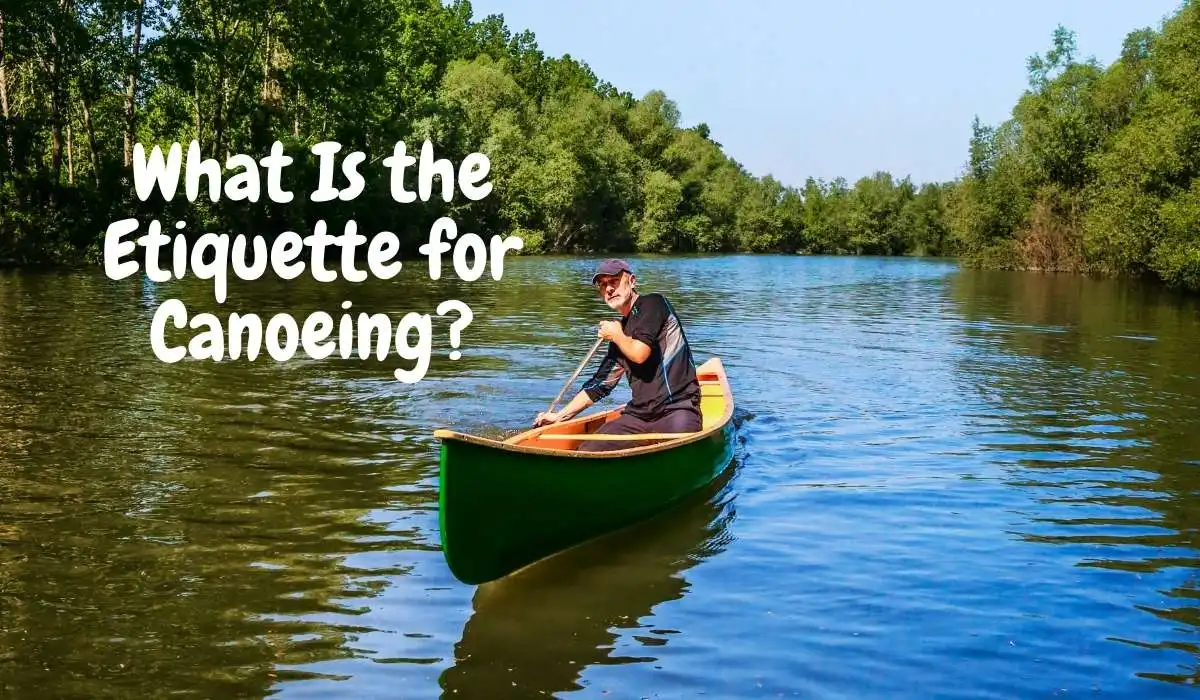
Gear up with a properly sized PFD and essential safety equipment. Respect larger vessels and keep a safe distance from others on the water. Offer help to struggling boaters and use bright colors on your canoe for visibility. Distribute weight evenly, use boat ramps for landing, and communicate effectively with hand signals. Follow these etiquette tips to enhance your canoeing experience and guarantee safety for all.
Key Takeaways
- Wear proper safety gear like PFDs and helmets for protection.
- Yield to larger vessels and maintain distance from swimmers and fishermen.
- Use bright colors on your canoe and offer help to struggling boaters.
- Handle canoes with care, distribute weight evenly, and avoid standing.
- Master river signals, use clear communication, and respect wildlife and environment.
Safety Gear and Equipment
Ensure your safety on the water by equipping yourself with the necessary gear and equipment for your canoeing adventure. Canoes are a fantastic way to explore the waterways, but it’s essential to prioritize safety. Start by wearing a properly sized personal floatation device (PFD) and attaching a whistle for emergencies.
When canoeing, help guarantee your safety by considering wearing wetsuits or drysuits, and dress appropriately for the water conditions you’ll encounter. Portage Etiquette is crucial; always be respectful of others and the environment when carrying your canoe between water bodies. Helmets are vital for whitewater canoeing to protect against potential head injuries.
If you’re new to canoeing or don’t own the necessary gear, consider renting safety equipment like helmets or specialized gear to ensure a safe experience. Remember, always pump out water and drain the canoe after use, and return any rented equipment to designated spots for the next paddlers to enjoy a safe outing.
Behavior on the Water
When canoeing, it’s important to always give way to larger vessels and provide them with the right-of-way on the water. This guarantees a safe and organized experience for everyone on the water. Additionally, maintain a safe distance from swimmers and fishermen to prevent any accidents or disruptions to their activities. Avoid busy marinas and dock areas as these areas can be congested and increase the risk of collisions. It’s vital to cross channels at designated markers to enhance visibility and safety for all watercraft.
While enjoying your canoeing adventure, remember to respect wildlife by observing them from a distance. This not only guarantees your safety but also protects the environment and wildlife habitats. If you have any paddle questions or need assistance, don’t hesitate to contact our friendly Customer Service Team. They’re always ready to assist you with any concerns you may have while on the water. Remember, being courteous and considerate of others on the water enhances everyone’s experience.
Interaction With Other Boaters
To have a smooth and safe interaction with other boaters while canoeing, always yield to larger vessels and make sure they have the right of way on the water. If you see someone struggling with their boat or equipment, offer to help.
Paying attention to your surroundings to avoid any potential collisions is crucial. Using bright colors on your canoe can help other boaters see you more easily, enhancing safety on the water.
When approaching swimmers or fishermen, maintain a respectful distance to guarantee everyone’s enjoyment of the water. Cross channels swiftly and efficiently to avoid blocking the path of other boaters.
In busy waterways, stick closer to the shore to prevent congestion and allow larger vessels to pass more comfortably. By following these guidelines and being considerate of others on the water, you can enhance everyone’s canoeing experience.
Landing and Launching Etiquette
For a smooth and safe landing or launching experience while canoeing, make sure all six paddlers touch the canoe when lifting it into or out of the water to distribute weight evenly and prevent accidents. When landing, approach the shore slowly, turn the canoe around, then reverse in stern first to guarantee a smooth entry and exit.
Here are some key points to remember for proper landing and launching etiquette:
- Distribute Weight Evenly: All six paddlers should touch the canoe to evenly distribute weight and prevent accidents.
- Use Boat Ramp: Utilize the boat ramp for easy and safe entry and exit from the water.
- Canoes Always: Canoes should always be handled with care and respect to ensure safety and enjoyment for everyone.
- Avoid Mishaps: Enforce safe practices to prevent capsizing or accidents, such as not standing while in the canoe.
Communication and Signals
As you navigate the waters in your canoe, mastering effective communication and signals is key to a safe and coordinated paddling experience. Understanding basic river signals and practicing signaling techniques are essential for conveying messages to your fellow paddlers on the water. Hand signals and verbal cues play an important role in indicating directions, stops, and potential hazards along the way. It’s important to make sure that all members of your canoeing group are familiar with the agreed-upon signals to avoid confusion and enhance overall safety.
Clear and concise communication through signals not only fosters a sense of teamwork but also greatly improves coordination during canoe trips. By utilizing these communication tools effectively, you can navigate the waters with greater ease and efficiency. Remember, communication is the cornerstone of successful canoeing adventures, so take the time to familiarize yourself with river signals and practice your signaling techniques before setting out on your next paddling excursion.