
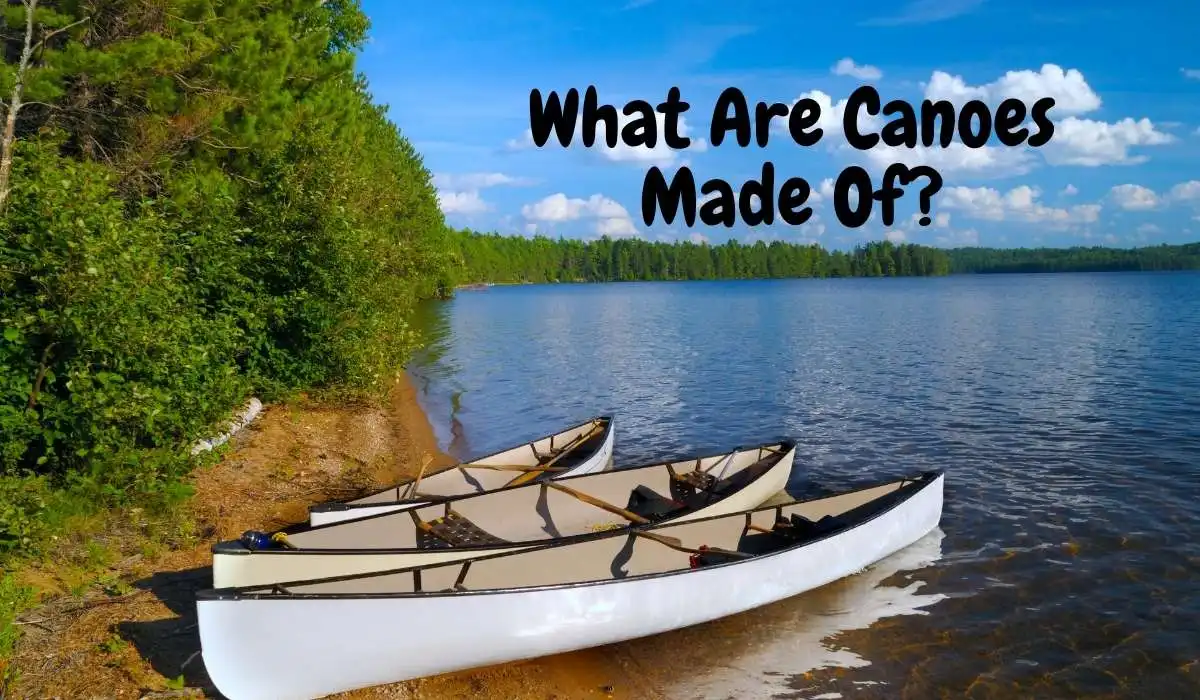
Canoes can be made of wood, canvas, aluminum, plastic, fiberglass, and synthetic fiber composites. Each material affects weight, durability, and cost. Wooden canoes offer a traditional feel but need frequent care. Aluminum canoes are tough but can be heavy and noisy. Plastic canoes are affordable but not the lightest option. Royalex canoes are known for durability, perfect for rough waters. TuffStuff canoes provide a balance of durability and weight. If you desire to know more about canoe materials, the options are vast, each with its pros and cons.
Key Takeaways
- Canoes are made of materials like wood, aluminum, plastic, fiberglass, and composite for varying strengths and weights.
- Wood canoes offer tradition and beauty but require more maintenance and are heavier than modern materials.
- Plastic canoes, often polyethylene, are durable and cost-effective but may lack stiffness compared to other materials.
- Composite canoes, like Kevlar and fiberglass, provide a good balance of strength, weight, and performance.
- TuffStuff canoes, made from Basalt/Innegra cloth, offer durability, enhanced performance, and lighter weight than traditional plastic canoes.
Materials Overview
When considering materials for making canoes, various options such as wood, canvas, aluminum, molded plastic, fiberglass, and synthetic fiber composites are available.
Plastic canoes, often crafted from polyethylene, are a popular choice due to their affordability and durability. However, they’re on the heavier side and lack stiffness compared to other materials.
Royalex, a once beloved material for canoes, faced a halt in production in 2014, leading paddlers to seek out alternatives like TuffStuff. TuffStuff is gaining traction in the canoeing community for its durability and lighter weight compared to traditional options like plastic.
These composite canoes offer a good balance of strength and weight, making them a favorable choice for paddlers looking for a reliable and efficient vessel. Consider the benefits of these modern materials when selecting the perfect canoe for your next adventure on the water.
Wood Canoes
Have you ever considered the timeless craftsmanship and allure of wood canoes for your paddling adventures?
Wooden canoes, including cedar strip and birchbark canoes, have a rich history due to the availability of materials in earlier times. Cedar strip or canvas-covered wood frame canoes are popular custom-made options that offer a traditional look and feel.
While these canoes are known for their beauty and craftsmanship, they do come with some drawbacks. Wooden canoes are heavier than other materials, requiring regular maintenance to keep them in top condition. This maintenance includes tasks like varnishing, repairing any cracks, and ensuring the wood stays in good shape.
The upkeep involved may not suit those looking for low-maintenance options. Additionally, the cost of wooden canoes tends to be higher compared to canoes made from other materials due to their custom-made nature.
If you appreciate the history and artistry of wooden canoes and don’t mind the maintenance, they can provide a unique and rewarding paddling experience.
Aluminum Canoes
Aluminum canoes, known for their durability and low maintenance requirements, are constructed from two riveted sheets along the keel for added strength. These canoes are not affected by UV rays, making them ideal for long hours under the sun. Their sturdy construction means they require little maintenance, providing you with more time to enjoy the water. However, dents in aluminum canoes can be challenging to repair fully. Despite their durability, these canoes tend to be heavy, making them harder to transport. Additionally, aluminum canoes are slower and noisier on the water compared to other materials. Some models come with square sterns, allowing you to attach outboard motors for propulsion.
| Advantages | Disadvantages |
|---|---|
| Durable | Heavy |
| Low maintenance | Slow |
| UV resistant | Noisy |
| Square sterns | Dents not easily repairable |
Plastic Canoes
Shifting focus from aluminum canoes, plastic canoes, commonly crafted from polyethylene, offer a durable and cost-effective alternative for water enthusiasts. These lightweight canoes are known for their impact resistance, making them ideal for recreational use in various water conditions. The construction of polyethylene canoes provides durability, with the material able to withstand bumps and scrapes that may occur during paddling adventures.
However, it’s crucial to highlight that polyethylene canoes are heavier compared to other materials, affecting their speed and maneuverability on the water. Additionally, prolonged exposure to UV rays can lead to damage, reducing the lifespan of these canoes. Due to their weight, polyethylene canoes may not be the best choice for portaging or regular lifting.
While polyethylene canoes are affordable, they may not offer the same level of stiffness and performance as canoes made from materials like fiberglass or Kevlar. Consider these factors when choosing a canoe that best suits your needs for your next water excursion.
Royalex Canoes
Renowned for their toughness and quiet operation, Royalex canoes were a favored choice among paddlers before production ceased in 2014. Despite no longer being manufactured, the impact of Royalex canoes on the paddling community remains significant.
Here’s why Royalex canoes were so beloved:
- Resin Composite: Royalex canoes were made using a composite material that included ABS (acrylonitrile butadiene styrene) plastic, foam core, and vinyl.
- Durability: The resin composite construction of Royalex canoes provided exceptional durability, allowing them to withstand rough handling and rocky river bottoms.
- Impact Resistance: Paddlers valued Royalex canoes for their excellent impact resistance, making them ideal for maneuvering whitewater and rocky rivers.
- Production: Despite production discontinuation, Royalex canoes are still cherished for their lightweight nature compared to aluminum or plastic canoes, making them easier to transport and maneuver on the water.
TuffStuff Canoes
Crafted from Basalt/Innegra cloth coated in vinylester resin, TuffStuff canoes offer paddlers a modern and robust alternative to traditional plastic canoes. These canoes aren’t only durable but also lighter, providing enhanced performance on the water. The unique combination of Basalt/Innegra cloth and vinylester resin results in a material that’s stiffer and more resilient than conventional plastic canoes, making TuffStuff canoes stand out in terms of durability and performance.
Through rigorous durability tests, TuffStuff canoes have consistently demonstrated their ability to withstand challenging conditions while maintaining their structural integrity. Compared to Royalex canoes, TuffStuff canoes offer paddlers a more advanced and efficient option for their water adventures. The lightweight nature of TuffStuff canoes also contributes to easier handling and transportation, further enhancing the overall paddling experience.
Fiberglass Canoes
Fiberglass canoes, commonly used in canoe manufacturing, are valued for their quality and durability. Here are some key points about fiberglass canoes:
- Construction: They’re crafted by layering fabric cloth with resin, providing a strong and rigid structure.
- Quality Levels: Fiberglass canoes come in different quality levels such as chop fiberglass, standard fiberglass, and premium fiberglass.
- Premium Fiberglass: Premium fiberglass canoes are superior in strength and lighter in weight compared to standard ones, enhancing overall performance.
- Gel Coat: The outer gel coat on fiberglass canoes offers protection against abrasions. However, it may need maintenance if chipped to ensure longevity.
Fiberglass canoes are recognized for their resilience and are a popular choice among paddlers. Whether you’re a beginner or an experienced enthusiast, fiberglass canoes offer a mix of durability and performance that can enhance your paddling experience.
Kevlar Canoes
Kevlar canoes, a popular choice for paddlers seeking enhanced strength and durability, are constructed using layers of Kevlar fabric infused with resin. These canoes are lighter than fiberglass alternatives yet offer higher tensile strength, making them ideal for long-distance paddling adventures.
The lightweight nature of Kevlar canoes not only enhances their durability but also makes them a high-performance option on the water, allowing for efficient and swift maneuvering through various water conditions. Some models even come with colored gel coats or direct coloring of the Kevlar fabric, providing a touch of customization for paddlers.
For those looking for an even lighter option, ultralight Kevlar canoes are available without an exterior gel coat layer, reducing weight significantly and making them perfect for extended paddling trips. With their combination of strength, durability, and lightweight design, Kevlar canoes are a top choice for paddlers looking to elevate their canoeing experience.
Other Canoe Materials
When considering materials for canoe construction, various options exist to cater to different paddling needs and preferences. Here are some other common canoe materials you might encounter:
- Fiberglass boats: Fiberglass canoes are lightweight, durable, and offer good performance on the water. They’re popular for their speed and agility, making them great for racing or recreational paddling.
- Aluminum canoes: Known for their durability and reliability, aluminum canoes are corrosion-proof and strong. They’re a practical choice for recreational use, especially in rocky or shallow waters.
- Wood canoes: Wooden canoes offer a classic and traditional look. With advancements in coatings, they’ve become lighter and more durable. Wood canoes provide a smooth and quiet paddling experience, ideal for those who appreciate craftsmanship.
- Royalex and Royalite canoes: Royalex and Royalite canoes strike a balance between durability and weight. They can withstand impact and are suitable for various water conditions. These materials are favored for their versatility and resilience, making them a popular choice among paddlers.