
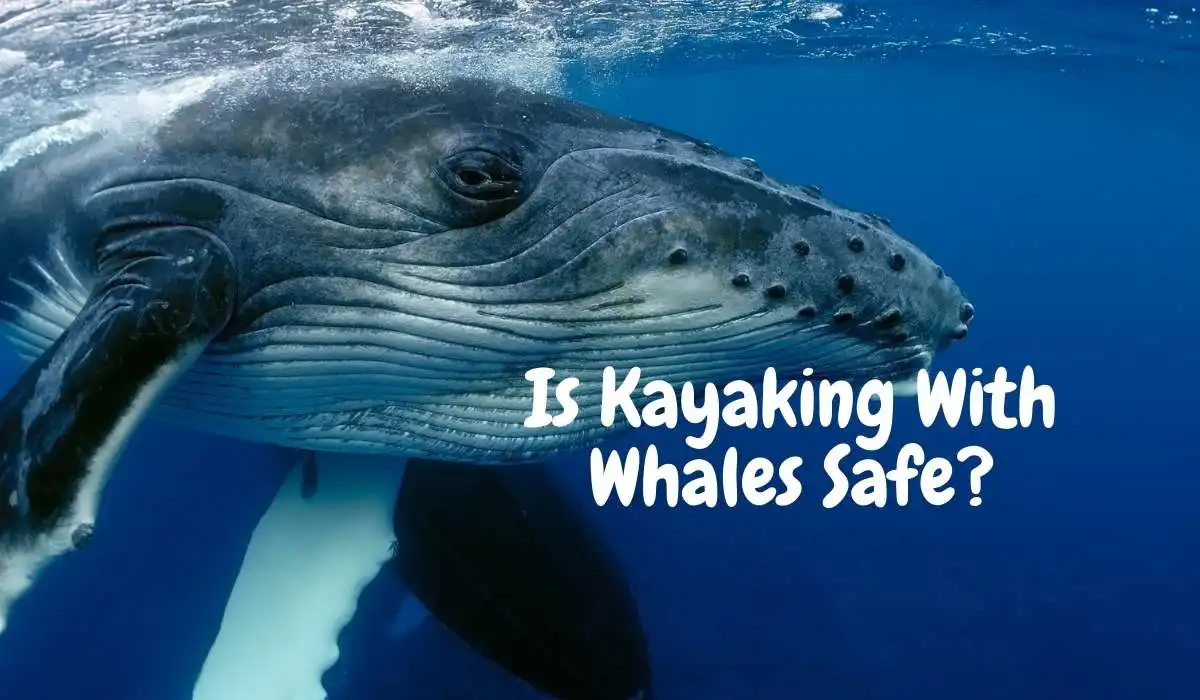
Kayaking with whales can be safe if you follow important guidelines. Keep at least 100 yards away. Increase distance near resting or nursing whales. Watch for distress signals from whales. Follow marine wildlife rules. Stop paddling when a whale comes close. Stick together in groups. Stay aware of the risks and benefits of whale tourism. By being cautious, you can enjoy this unique experience while respecting these incredible creatures.
Key Takeaways
- Maintaining a safe distance of 100 yards minimizes risks.
- Cease paddling when whales approach to ensure safety.
- Understanding whale behavior cues prevents accidents.
- Compliance with regulations protects both kayakers and whales.
- Rafting up in groups enhances safety during whale encounters.
Importance of Maintaining Safe Distance
When kayaking near whales, maintaining a safe distance is vital for guaranteeing both your safety and the well-being of the marine animals. Respecting the natural behaviors of whales is essential when kayaking with these magnificent creatures. Keeping a respectful distance of 100 yards from whales is necessary to prevent any potential accidents or disturbances to the marine wildlife.
In situations where a whale is resting or a mother is nursing a calf, it’s recommended to increase the distance to 200 yards to avoid any disruptions. It’s important to refrain from chasing or attempting to pet marine wildlife, as this can lead to risky interactions that may harm both you and the whales. If a whale approaches your kayak, it’s best to cease paddling and let the whale pass by peacefully.
Additionally, rafting up in groups by aligning kayaks in a row can create fewer obstacles and ensure a safer experience around whales. By following these guidelines and maintaining a safe distance, you can have a memorable and safe experience while kayaking with whales.
Understanding Whale Behavior Cues
Understanding whale behavior cues can provide valuable insights into how these magnificent creatures interact with their environment and each other. Signs of socializing behaviors in whales, such as breaching, tail lobbing, and flipper slapping, indicate their playful interactions.
On the contrary, changes in direction, speed, quick dives, and agitation may suggest stress in whales. Observing blowhole spray from whales is an important cue as it can signal discomfort with the proximity of boats or kayaks.
Following whale watching guidelines, like those provided by organizations such as IAATO, can help in interpreting whale behavior accurately. Additionally, the Canadian government recommends maintaining a safe distance if you notice a tail, fin, or spray from whales, as these could be signs of potential distress.
Compliance With Marine Wildlife Regulations
By maintaining a respectful distance of 100 yards from whales, you can guarantee compliance with marine wildlife regulations. It’s crucial to follow these guidelines to make sure the safety and well-being of both the whales and yourself.
If a whale is resting or a mother is nursing a calf, it’s advised to increase the distance to 200 yards, as specified by regulations. Remember to refrain from chasing or attempting to pet marine wildlife, as these actions are prohibited by laws protecting whales.
If a whale approaches your kayak, cease paddling and allow it to pass, showing respect for marine wildlife boundaries. Additionally, rafting up in groups by arranging kayaks in a row can help create fewer obstacles and further adhere to regulations.
Safety Measures for Kayaking Near Whales
To guarantee your safety while kayaking near whales, always uphold a respectful distance of 100 yards. When engaging in whale watching, it’s important to keep a safe distance to avoid disturbing these majestic marine wildlife creatures.
If you encounter a resting whale or a mother nursing a calf, increase the distance to 200 yards to safeguard their protection. Remember to respect their space and avoid chasing or attempting to pet them, as this can lead to dangerous interactions.
In the event that a whale approaches your kayak, cease paddling and allow it to pass without causing any disturbance. Additionally, when kayaking near whales, consider rafting up in groups by arranging kayaks in a row. This method creates fewer obstacles and helps minimize risks associated with being in close proximity to these magnificent animals.
Risks Associated With Kayaking Near Whales
When kayaking near whales, it’s important to recognize the vital dangers posed by close encounters with these majestic marine creatures. The recent incident in Moss Landing, Calif., where a 45-foot-long whale landed on a tandem kayak, serves as a stark reminder of the potential risks involved.
Monterey Bay Kayaks even halted their whale-watching tours due to safety concerns related to kayaking with whales. Laws in certain areas specifically require staying at least 100 yards away from whales while kayaking to guarantee safety.
Close encounters with whales not only put humans at risk but can also stress the marine mammals, leading to disruptions in their natural behavior. Whales breaching or making sudden movements near kayaks can be particularly hazardous.
Hence, it’s important to exercise caution and maintain a safe distance when enjoying the beauty of these incredible creatures in their natural habitat.
Benefits of Responsible Whale Watching
Promoting conservation and guaranteeing safety, responsible whale watching offers a unique opportunity to appreciate marine life while preserving their natural habitats. By adhering to safety guidelines and respecting marine wildlife, this practice minimizes disruptions to whale behavior and habitats. It allows for a deeper connection with marine ecosystems, fostering a sense of stewardship towards these fragile environments. Engaging in responsible whale watching not only benefits the whales but also guarantees the safety of kayakers during encounters.
Through sustainable tourism practices, responsible whale watching contributes to the conservation of marine wildlife. By staying quiet and maintaining a safe distance, kayakers can observe these majestic creatures without causing stress or disturbance. This form of eco-tourism promotes a harmonious coexistence between humans and marine life, emphasizing the importance of preserving these natural wonders for future generations. By actively participating in responsible whale watching, individuals play a vital role in safeguarding the delicate balance of our oceans.
Tips for Safe Whale Encounters
Curious about how to guarantee safe encounters with whales while kayaking? When engaging in whale encounters, it’s important to prioritize wildlife respect and adhere to kayaking etiquette. Maintaining a safe distance of 100 yards from whales is vital to make sure the safety of both you and the magnificent creatures. If a whale is resting or a mother is nursing a calf, it’s recommended to increase the distance to 200 yards to avoid causing any disturbances. Remember to refrain from chasing or attempting to pet marine wildlife, including whales, during your encounters.
In the event that a whale approaches your kayak, cease paddling and allow it to pass without interference. To minimize disruptions and create fewer obstacles during whale encounters, consider rafting up in groups by arranging kayaks in a row. By following these paddling protocols and showing marine conservation efforts through responsible behavior, you can contribute to the well-being of whales and foster a safer environment for both humans and wildlife.
Ensuring Sustainable Whale Tourism
To promote sustainable whale tourism, tourists must adhere to guidelines that prioritize the well-being of whale populations and their habitats. Important tourism plays a key role in guaranteeing the conservation of marine wildlife such as whales. This involves maintaining safe distances from the whales, avoiding disruptions to their natural behaviors, and showing respect towards these majestic creatures. By following these principles, tourists can engage in ethical interactions with whales, contributing to their well-being and conservation.
Education also plays a significant role in sustainable whale tourism. Tourists should be informed about whale conservation efforts and the importance of their actions during encounters. Understanding how to interact with whales responsibly can help minimize negative impacts on their populations and habitats.
Furthermore, collaboration with local communities, researchers, and conservation organizations is vital for promoting sustainable whale tourism. By working together, stakeholders can develop guidelines, conduct research, and implement strategies that benefit both the whales and the communities involved in whale tourism. By embracing responsible practices and fostering collaboration, we can ensure that whale tourism remains sustainable for generations to come.