
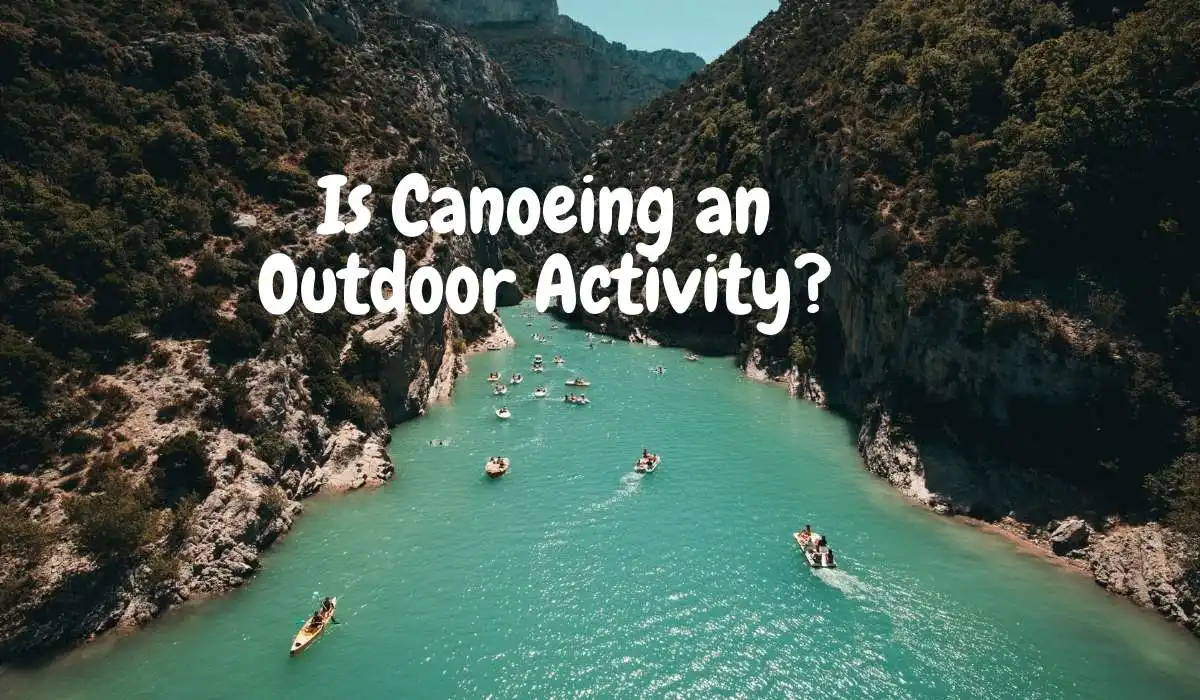
Canoeing is a thrilling outdoor activity that engages your muscles, provides a great workout, and offers mental relaxation. It has health benefits like improving your cardiovascular fitness and strengthening core muscles.
Canoeing differs from kayaking in paddle type and seating position. It’s environmentally friendly and follows safety precautions. Explore various canoe disciplines and global destinations for an enriching experience.
For beginners, practice in calm waters, distribute weight evenly, and seek guidance to enhance your skills. Canoeing is a fantastic way to enjoy nature and stay active!
Key Takeaways
- Canoeing is a popular outdoor activity enjoyed on rivers, lakes, and other natural water bodies.
- It involves engaging multiple muscle groups and provides a cardiovascular workout.
- Canoeing allows individuals to immerse themselves in nature and experience the outdoors.
- It offers mental relaxation and a peaceful escape surrounded by water and natural landscapes.
- Participants can enjoy a blend of adventure and relaxation while experiencing the thrill of being on the water.
Canoeing: A Historical Overview
Canoeing, with its ancient origins dating back centuries, has evolved into a popular outdoor activity enjoyed by many. Beyond the fun and adventure it provides, engaging in canoeing offers numerous health benefits. As you paddle through the serene waters, you engage multiple muscle groups, particularly in your arms, shoulders, and back, enhancing strength and endurance. The rhythmic motion of paddling also provides a great cardiovascular workout, improving heart health and stamina.
Moreover, spending time in nature while canoeing can have a positive impact on your mental well-being. The peaceful surroundings and the sound of water can help reduce stress and promote relaxation. This outdoor activity allows you to disconnect from the hustle and bustle of daily life, providing a much-needed escape. Additionally, the vitamin D from the sun exposure during your canoeing adventures can boost your mood and strengthen your immune system.
Benefits of Canoeing for Health
Enhancing your overall well-being, canoeing offers a range of health benefits that go beyond just physical fitness. When you paddle a canoe, you are not only enjoying the beauty of nature but also improving your cardiovascular fitness, enhancing heart health, and boosting your overall endurance. The rhythmic motion of paddling can have a meditative effect, promoting mental relaxation and reducing anxiety. Check out the table below for a summary of the benefits of canoeing for your health:
| Benefits of Canoeing | Description |
|---|---|
| Improves Cardiovascular Fitness | Enhances heart health and overall endurance |
| Strengthens Core Muscles | Promotes better posture and stability |
| Develops Arm and Shoulder Muscles | Increases upper body strength |
| Low-Impact Activity | Reduces stress on joints while providing a full-body workout |
| Promotes Mental Relaxation | The rhythmic motion of paddling can be meditative, reducing anxiety |
Canoeing not only strengthens your core muscles and upper body but also provides mental relaxation, making it a well-rounded activity for your overall health.
Canoeing Vs. Kayaking: Key Differences
Distinguishing between canoeing and kayaking involves understanding key differences in equipment and paddling techniques. Here are the main distinctions:
- Canoeing uses a single-bladed paddle, whereas kayaking utilizes a double-bladed paddle.
- In canoes, paddlers typically sit or kneel, while kayakers sit with legs extended.
- Canoes are open boats, offering a more exposed experience, while kayaks are enclosed for protection from the elements.
- Canoeing is popular for flatwater recreation and canoe camping, while kayaking is used for sea kayaking, sailing, and surf kayaking.
- Both canoeing and kayaking provide physical and mental health benefits, including improved cardiovascular fitness and muscle strength, as well as a deep connection with nature.
These differences also play a role in the competitive sport aspect of canoeing and kayaking, where each discipline has its own set of rules, techniques, and events that attract enthusiasts worldwide.
Environmental Impact of Canoeing
Paddling waterways in a canoe contributes positively to the environment by minimizing pollution and preserving aquatic ecosystems. Canoeing is an outdoor activity that allows you to enjoy nature while also being mindful of the impact you have on the environment. By following responsible practices, such as respecting wildlife habitats and adhering to local regulations, you can help guarantee that your canoeing adventures promote sustainability and protect water ecosystems for future generations.
To better understand the environmental impact of canoeing, let’s take a look at the table below:
| Environmental Impact Considerations | Benefits |
|---|---|
| Minimizes pollution in waterways | Preserves aquatic ecosystems |
| Respects wildlife habitats | Promotes sustainable practices |
| Follows local regulations | Contributes to environmental protection |
Safety Tips for Canoeing
When embarking on a canoeing expedition, prioritize safety by always wearing a personal flotation device (PFD).
Here are some essential safety tips to keep in mind:
- Check the weather: Before setting out, make sure to check the weather forecast. Avoid unexpected conditions like storms or strong winds that could pose risks while canoeing.
- Learn basic techniques: Familiarize yourself with fundamental paddling and rescue techniques. This knowledge can be invaluable in managing emergencies on the water.
- Avoid overcrowding: Maintain balance in the canoe by steering clear of overcrowding. This helps prevent capsizing and ensures a safer journey.
- Stay hydrated: Keep yourself hydrated throughout the trip. Additionally, pack essential safety items such as a first aid kit and communication devices to be prepared for any emergencies that may arise.
Canoeing Gear Essentials
To guarantee a safe and enjoyable canoeing experience, it’s essential to have the appropriate gear essentials readily available before setting out on the water. When gearing up for this adventurous sport, make sure you have the basics:
- a sturdy canoe or kayak
- the right paddle for efficient maneuvering
- a Personal Flotation Device (PFD) for safety on the water
- a helmet for added protection
- a wetsuit to keep you warm in case of splashes or capsizing.
In addition to these essentials, packing a first aid kit, a repair kit for any unforeseen damages, an ample water supply, high-energy snacks for sustenance, and dry clothes stored in a waterproof bag can make a significant difference in your canoeing journey.
For sea kayaking adventures, consider including extra equipment like a waterproof torch, a bilge pump, distress signal devices, a compass for navigation, and a spare paddle in case of breakage.
Having the right gear for canoeing ensures your safety, comfort, and preparedness for varying conditions, ultimately enhancing your overall experience of this exciting water sport.
Exploring Different Types of Canoeing
Exploring the various types of canoeing offers enthusiasts a rich tapestry of experiences on diverse water bodies. Whether you enjoy the tranquility of calm lakes or the exhilaration of rushing rivers, there’s a type of canoeing for everyone.
Here are some popular forms of canoeing to contemplate:
- Canoe Camping: Initiate on multi-day trips, carrying your gear in the canoe to remote campsites along the water’s edge.
- Canoe Racing: Test your speed and agility in competitive races against other paddlers, pushing your limits for victory.
- Canoe Slalom: Navigate a challenging course of gates on a fast-flowing river, showcasing your precision and control.
- Ocean Canoeing: Explore the vastness of the open sea, riding swells and waves in a unique marine adventure.
- Kayaking: In some regions, the term ‘canoeing’ encompasses both canoes and kayaks, offering a wide variety of styles and techniques to master.
Each type of canoeing presents its own set of challenges and rewards, adding depth and excitement to your outdoor pursuits.
Canoeing as a Competitive Sport
Competitive canoeing showcases a variety of disciplines that test athletes’ skills and endurance in challenging water environments. From sprinting to maneuvering whitewater, canoeing serves as an exciting and competitive sport that demands precision and strength. Here is a breakdown of some key competitive canoeing disciplines:
| Discipline | Description |
|---|---|
| Canoe Sprint | Involves racing in a straight line on calm water, testing speed and paddling technique. |
| Canoe Slalom | Athletes maneuver a whitewater course with gates, requiring agility and quick decision-making. |
| Canoe Polo | Combines paddling and ball handling skills in a fast-paced water sport similar to water polo. |
Competitive canoeing has a rich history, becoming an official Olympic sport in 1936. The sport continues to grow globally, with associations organizing events to showcase top athletes. Whether it’s the adrenaline of whitewater slalom or the speed of sprint racing, competitive canoeing offers a thrilling experience for both participants and spectators.
Canoeing Destinations Around the World
Journey into a world of breathtaking natural beauty and diverse landscapes as you explore renowned canoeing destinations across the globe. Venture on a canoeing adventure and experience the following benefits:
- Boundary Waters Canoe Area Wilderness, Minnesota: Discover over 1,200 miles of canoe routes in this serene wilderness, perfect for paddlers seeking tranquility and stunning scenery.
- Algonquin Provincial Park, Ontario, Canada: Immerse yourself in the beauty of this park with its vast lakes and rivers, offering a peaceful escape surrounded by nature.
- Amazon River, South America: Explore a unique canoeing experience as you navigate through dense rainforests, encountering exotic wildlife along the way.
- Everglades National Park, Florida: Immerse yourself in the intricate waterways of the Everglades, known for its mangrove forests and abundant wildlife, ideal for nature enthusiasts.
- Allagash Wilderness Waterway, Maine: Engage in a remote canoeing adventure in a picturesque setting with pristine lakes and rivers, perfect for those seeking a true wilderness experience.
Journey to these canoeing destinations and experience the benefits of nature’s wonders while paddling through these incredible landscapes.
Canoeing: Tips for Beginners
Begin your canoeing journey with confidence by mastering essential tips for beginners. Canoeing can be a rewarding recreational activity, offering a blend of relaxation and adventure on the water.
To guarantee a smooth start, practice launching and handling your canoe in a small pond or calm water to build your skills and boost your confidence. Remember to pack your gear and passengers between thwarts to maintain stability, and secure everything with a tarp to prevent loss during rollovers. Distributing weight evenly in the canoe is vital to avoid tipping and maintain balance throughout your journey.
For a more enriching experience, seek guidance from experienced canoeists or consider joining canoe clubs where you can learn from seasoned paddlers. These tips won’t only help you stay safe on the water but also enhance your enjoyment of this exciting water sport.