
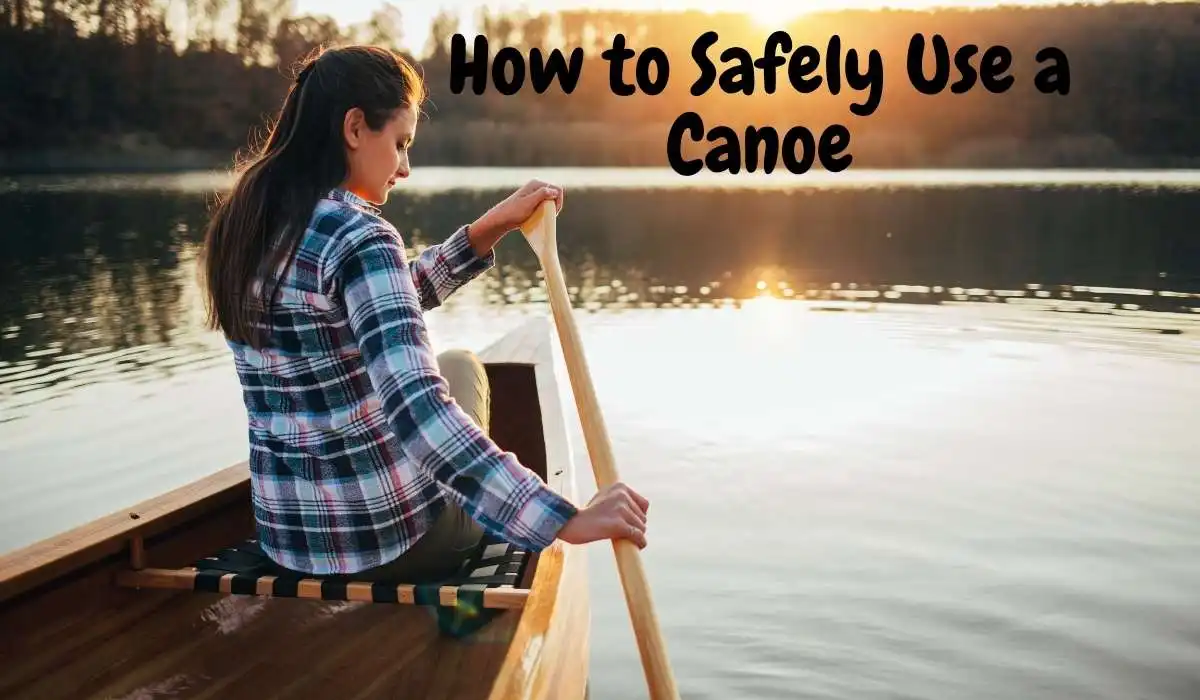
When using a canoe, have someone stabilize it while you enter. Sit in the center, keep knees bent for balance. Don’t stand or move around too much. Stay centered for control. Always wear a properly fitting PFD for buoyancy and safety. Store gear low and secure to prevent shifting. Organize for easy access and stability. Kneel for better control, holding on for balance. Practice proper paddling techniques, watch for hazards, and be prepared with safety gear.
Key Takeaways
- Stabilize canoe during entry for safety.
- Wear a properly fitting PFD at all times.
- Keep gear low, secured, and organized.
- Maintain proper sitting posture for control.
- Follow essential paddle safety measures diligently.
Canoe Entry and Stability
Wondering how to safely enter a canoe and maintain stability while paddling?
When it comes to water safety and paddling, making sure you enter the canoe properly is vital. To start, have someone stabilize the canoe to prevent it from tipping as you get in. Keep your knees bent, crouch low, and hold onto the sides for better balance.
Once aboard, sit in the center of the canoe to avoid rocking and maintain stability. It’s important to refrain from standing or moving around too much while away from shore to prevent accidents. Always remember to stay on the centerline of the canoe for best stability and control.
Personal Flotation Device (PFD) Importance
To guarantee your safety while canoeing, wearing a personal flotation device (PFD) is a legal requirement and an essential measure for protection on the water. A PFD, commonly known as a life jacket, is an indispensable piece of safety equipment that’s necessary for paddling safety. Regardless of your swimming skills, wearing a PFD can offer critical protection in case of balance loss or accidents while canoeing.
PFDs provide the necessary buoyancy to keep you afloat in the water, especially during unpredictable situations on the water. These safety devices are designed to keep your head above water and provide support until rescue arrives, making them indispensable in emergencies. Properly fitting PFDs are crucial as they can make a life-saving difference during unexpected events while out on the water.
Gear Storage and Maintenance
Strategically organizing and securing gear in your canoe is vital for maintaining stability and preventing accidents on the water. When paddling in cold water or rough conditions, it’s essential to keep heavy items low in the boat to guarantee stability and control.
Secure gear with ropes to prevent shifting and uphold the canoe’s stability, especially in challenging water conditions. Proper storage not only prevents destabilization but also guarantees you have easy access to essential items like a first aid kit in case of emergencies.
Proper Sitting Posture in Canoe
For ideal stability and control while paddling, maintaining a low posture in the canoe is crucial. When it comes to sea kayaking, recreational activities, or maneuvering a section of river, your sitting posture can greatly impact your experience.
Here are some tips to make sure you maintain the right posture:
- Kneel for Control: Kneeling in the canoe can provide better control and balance, especially in American canoes without seats.
- Center Yourself: Sitting in the center of the canoe ensures proper weight distribution and reduces the risk of tipping.
- Bend Your Knees: Keep your knees bent to lower your center of gravity, increasing stability.
- Hold on for Balance: Crouch low and hold onto the sides of the canoe for added balance and security.
Essential Paddle Safety Measures
Prioritize your safety by always wearing a properly fitting PFD when using a canoe to guarantee protection while on the water. Make sure the PFD is snug and secure to keep you afloat in case of an emergency.
When paddling, practice proper techniques to maintain control and maneuverability, especially in different water conditions. Keep in mind your surroundings and watch out for hazards such as rocks, strainers, and other watercraft that could pose a danger while canoeing.
Carry essential safety equipment like a first aid kit, whistle, and spare paddle to be prepared for any unexpected situations that may arise. Before setting out on your canoe trip, check the weather forecast and water conditions to plan appropriately for the weather. Being aware of these factors can help you guarantee a safe and enjoyable paddling experience.