
Category: Paddle On
-

What Stroke Stops a Canoe
To stop a canoe, perfect the backstroke technique. Dip the paddle close to the canoe, gripping it high for control. Use a J-stroke if needed. Try the compound backstroke method, combining power with a precise J-stroke. Start slightly away from the canoe for better impact. Finish with a reverse-J motion swiftly. Wanna know more ways
-
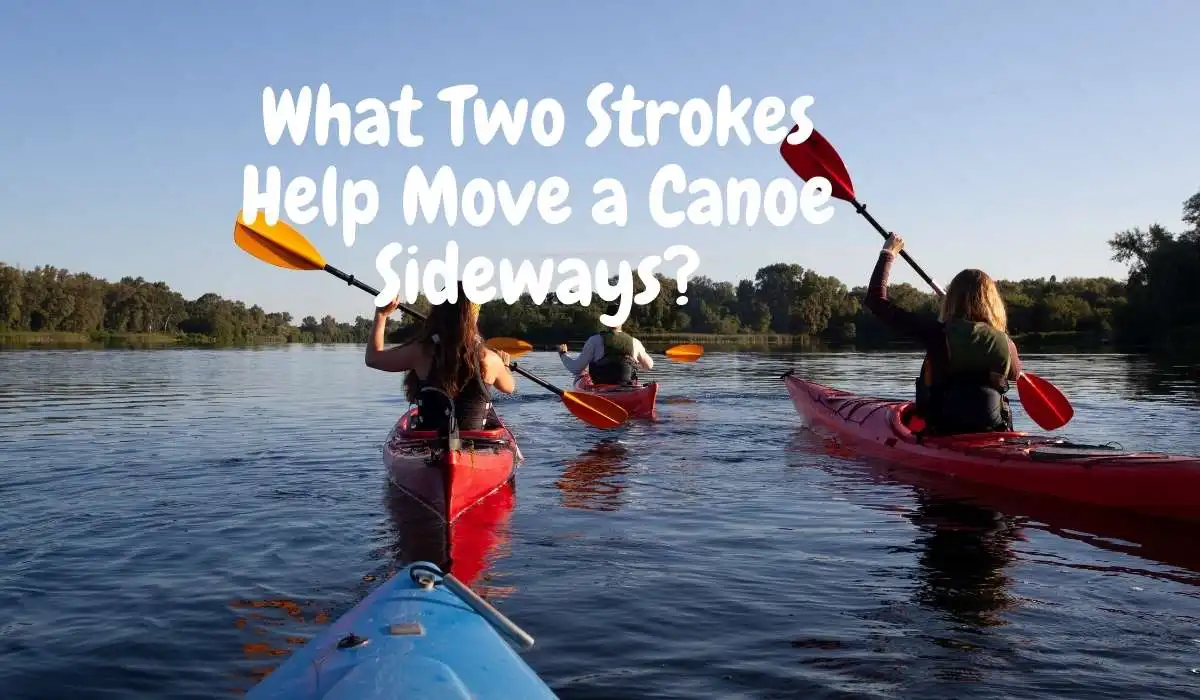
What Two Strokes Help Move a Canoe Sideways?
To move your canoe sideways, use the draw stroke and pry stroke. Extend your paddle sideways for the draw stroke to pull the canoe towards it. For the pry stroke, tilt the blade under the canoe and pull away to move sideways. These strokes help you navigate tight spots with ease. Want to enhance your
-

How Do You Enter and Exit a Canoe?
Approach the canoe slowly and grab the gunwales for support. Check water depth before stepping in. Keep three points of contact to stay balanced. Shift weight to the center once inside. Consider the role of the bow paddler for stability. Seat close to the gunwale for balance. Stern paddler steers and adjust weight distribution for
-

How Do You Move in a Canoe?
To move in a canoe, grip the paddle properly and engage your core muscles for power. Keep a straight line with even strokes, and sit upright for balance. Distribute weight evenly and adjust your posture. Work with your partner to coordinate movements and practice different strokes. Use the J-stroke for straight paddling and lean into
-
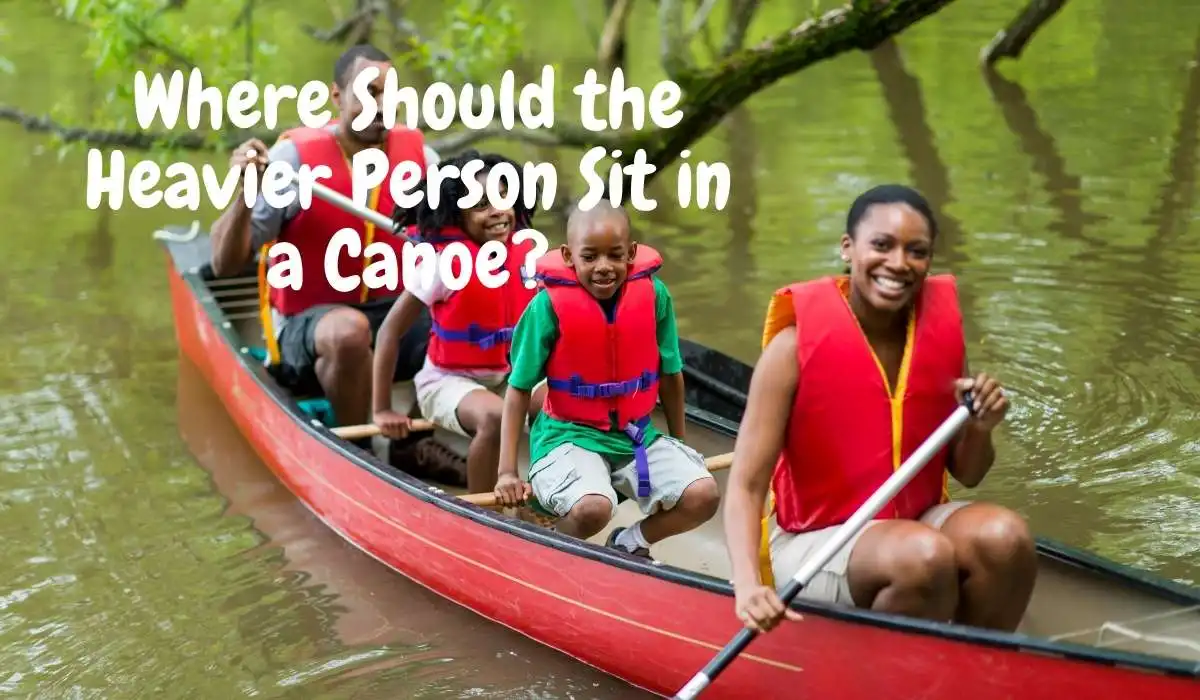
Where Should the Heavier Person Sit in a Canoe?
For best performance, have the heavier paddler sit at the stern in a canoe. This placement boosts weight distribution, enhances tracking, and improves maneuverability. It also guarantees swift response to steering commands. Optimizing your seating arrangement makes your canoeing experience more enjoyable and efficient. Key Takeaways Stern Positioning for Heavier Paddlers When preparing for a
-

Is Canoeing an Outdoor Activity?
Canoeing is a thrilling outdoor activity that engages your muscles, provides a great workout, and offers mental relaxation. It has health benefits like improving your cardiovascular fitness and strengthening core muscles. Canoeing differs from kayaking in paddle type and seating position. It’s environmentally friendly and follows safety precautions. Explore various canoe disciplines and global destinations
-
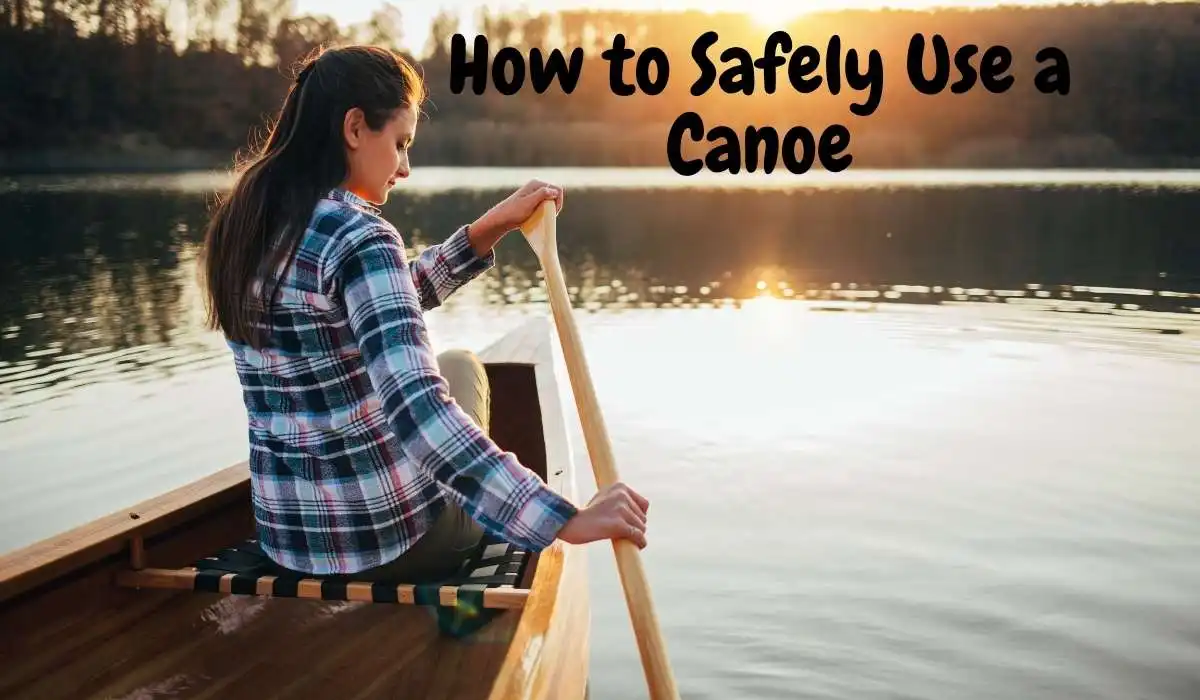
How to Safely Use a Canoe?
When using a canoe, have someone stabilize it while you enter. Sit in the center, keep knees bent for balance. Don’t stand or move around too much. Stay centered for control. Always wear a properly fitting PFD for buoyancy and safety. Store gear low and secure to prevent shifting. Organize for easy access and stability.
-

What Is the Golden Rule of Canoeing?
When you’re canoeing, remember the golden rule: Always wear your PFD (Personal Flotation Device). It’s an essential safety measure that could potentially save your life. Stay safe on the water by prioritizing your PFD. Key Takeaways Importance of Wearing a PFD Wearing a PFD is the cornerstone of safe canoeing, ensuring your protection on the
-

What Are the Safety Precautions for Canoeing?
Make sure to stretch properly before canoeing to prevent injuries and enhance flexibility. Wear a life jacket and bring a first-aid kit for safety. Choose calm waters, avoid strong currents, and check the weather forecast. Watch out for river hazards like rocks and fallen trees. Seek advice from experienced canoeists and consider safety courses. These
-
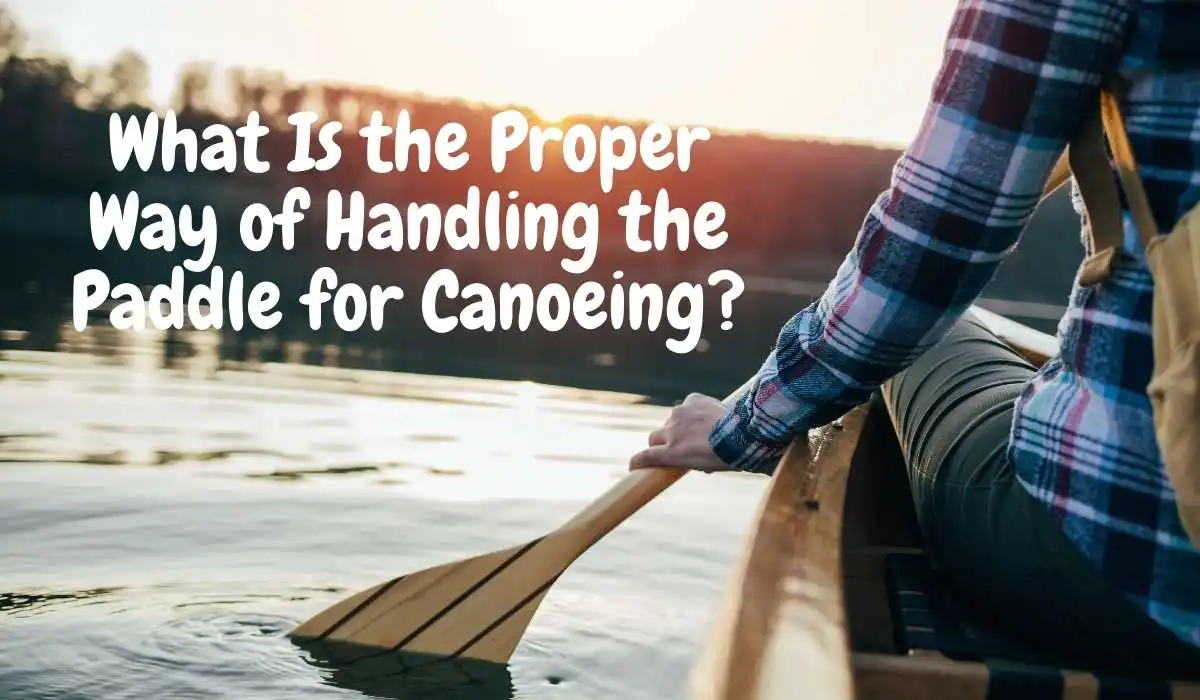
What Is the Proper Way of Handling the Paddle for Canoeing?
Guarantee one hand on top, the other down a bit. Keep blade facing right way, align knuckles for grip. Dive blade fully, angle it slightly forward. Place arms apart on shaft, align body perpendicular. Bend elbows, engage core, grip paddle lightly. Focus on total blade submersion, right paddle height. Perfect catch technique for max power.